
 Why does Fiji have the World's Best Diving?
NAI'A offers the best of world-class scuba diving at an unrivalled variety of sites. NAI'A has found Fiji's finest diving.
Diving in Fiji
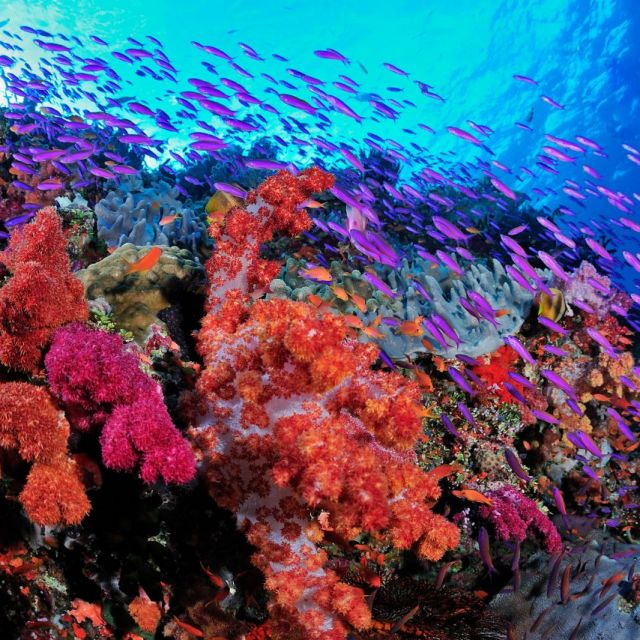
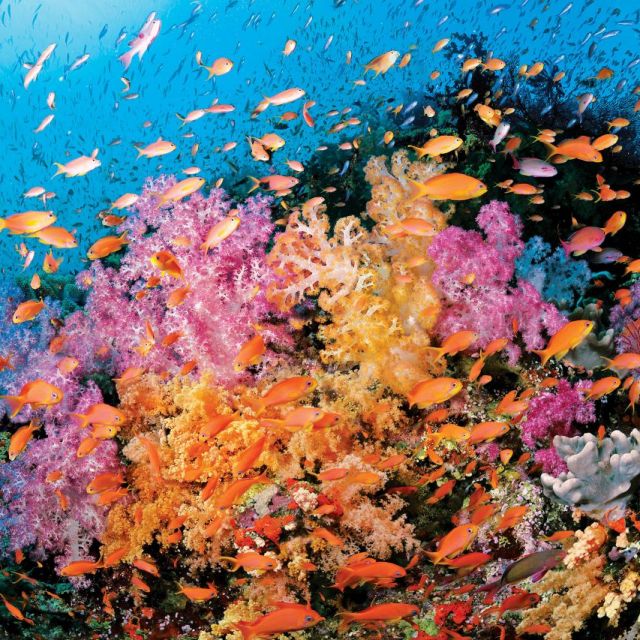
There are only a few truly magical places left in the world, and most of them are arduous to reach. Not so the Fiji Islands. This tropical paradise is an easy non-stop flight from the major Pacific Rim capitals. Since intrepid divers first discovered the Pacific’s phenomenal coral reefs, Fiji has been famous for the best scuba diving in the world. And since NAI’A began voyages to the country’s furthest and richest regions, guests from all over the world have enjoyed the privilege of experiencing spectacular soft coral, diverse reef fish, bizarre critters, schooling pelagics and genuine Fijian hospitality - all in a single scuba diving holiday.
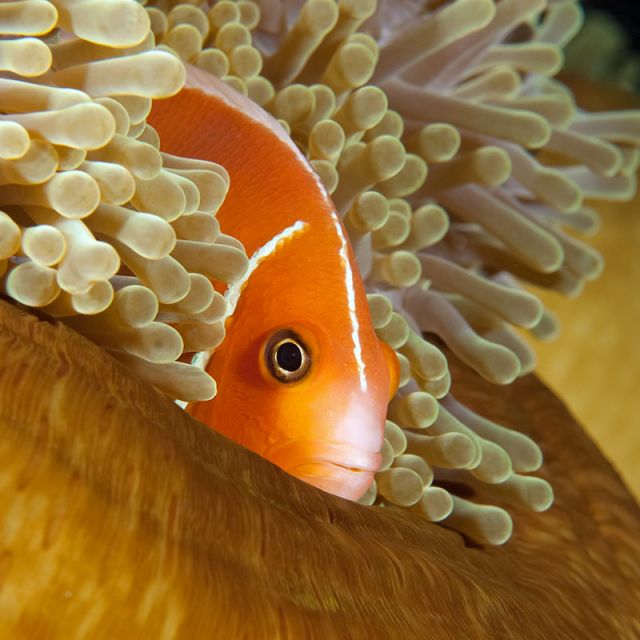
NAI’A’s divemasters know where the rare creatures live, such as blue-ribbon eels, ghost pipefish, crinoid shrimp, leaf scorpionfish and pygmy seahorses. They know when and where to swim with feeding mantas and how to get close to sharks in their natural environment. Fiji’s three hundred islands and innumerable reefs harbor a diversity of species unrivalled outside the tropical Western Pacific.
 Where are Fiji's Best Dive Sites?
Since 1993 we’ve explored the best dive sites in Fiji including the barrier reefs near Vatu-i-ra in Bligh Water and at Namena, Wakaya, and Gau in the Koro Sea.
 Fiji's Sharks, Mantas, & Big Fish
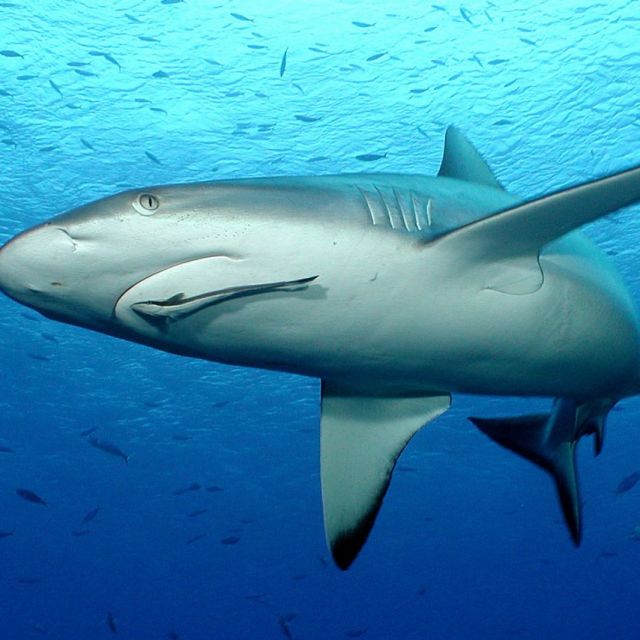
NAI’A reefs have healthy populations of white-tip, hammerhead and grey reef sharks plus schooling trevally, barracuda, manta rays and other pelagics.
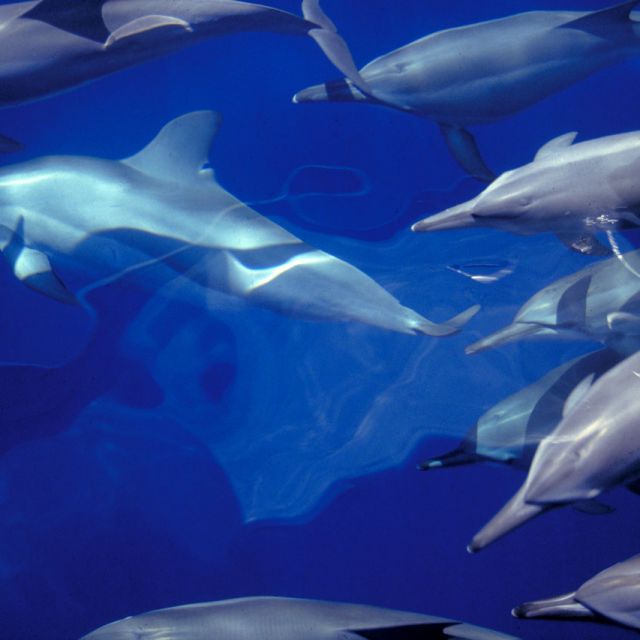 Fiji Value Diving
Experienced dive travellers know that liveaboard scuba diving aboard NAI’A in Fiji is the simplest, most efficient and affordable way to enjoy world-class diving.
 Fiji Water Temperature
Fiji weather and water temperature graphs and tables derived from accurate recordings since 1996
“Lomaiviti is nationally significant for its important role in reseeding Fiji’s reefs and providing fish refuges.”
~ Dr. David Obura, Cordio and WWF Marine Biologist