
Why does Fiji have the World's Best Diving?
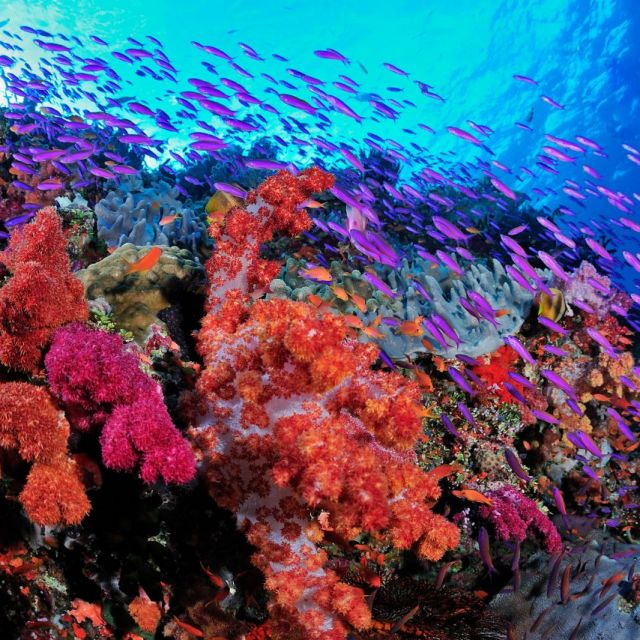
NAI'A offers the best of world-class scuba diving at an unrivalled variety of sites. NAI'A has found Fiji's finest diving.
The last couple of months have featured some wild temperature swings that required me to manually adjust the graph to show an accurate average. Bottom line: the water temperature remains pretty much where we expect it for this time of year and the reefs are looking brilliant!

| Min | Avg | Max | 2025 | |||||
|---|---|---|---|---|---|---|---|---|
| ºF | ºC | ºF | ºC | ºF | ºC | ºF | ºC | |
| Jan | 80.4 | 26.9 | 83.1 | 28.4 | 84.7 | 29.3 | 84.5 | 29.2 |
| Feb | 82.0 | 27.8 | 83.7 | 28.7 | 85.8 | 29.9 | 84.8 | 29.4 |
| Mar | 82.2 | 27.9 | 84.0 | 28.9 | 85.3 | 29.6 | 84.7 | 29.3 |
| Apr | 81.7 | 27.6 | 83.5 | 28.6 | 85.1 | 29.5 | 84.6 | 29.2 |
| May | 80.1 | 26.7 | 82.0 | 27.8 | 84.1 | 28.9 | 82.5 | 28.1 |
| Jun | 78.3 | 25.7 | 80.1 | 26.7 | 82.3 | 27.9 | 80.8 | 27.1 |
| Jul | 77.2 | 25.1 | 78.7 | 26.0 | 80.4 | 26.9 | 79.3 | 26.3 |
| Aug | 76.1 | 24.5 | 77.9 | 25.5 | 79.3 | 26.3 | 78.9 | 26.0 |
| Sep | 75.2 | 24.0 | 78.0 | 25.6 | 80.2 | 26.8 | ||
| Oct | 76.0 | 24.4 | 78.7 | 25.9 | 81.1 | 27.3 | ||
| Nov | 77.4 | 25.2 | 80.1 | 26.7 | 81.8 | 27.7 | ||
| Dec | 78.8 | 26.0 | 81.6 | 27.6 | 83.4 | 28.5 | ||
NAI'A offers the best of world-class scuba diving at an unrivalled variety of sites. NAI'A has found Fiji's finest diving.
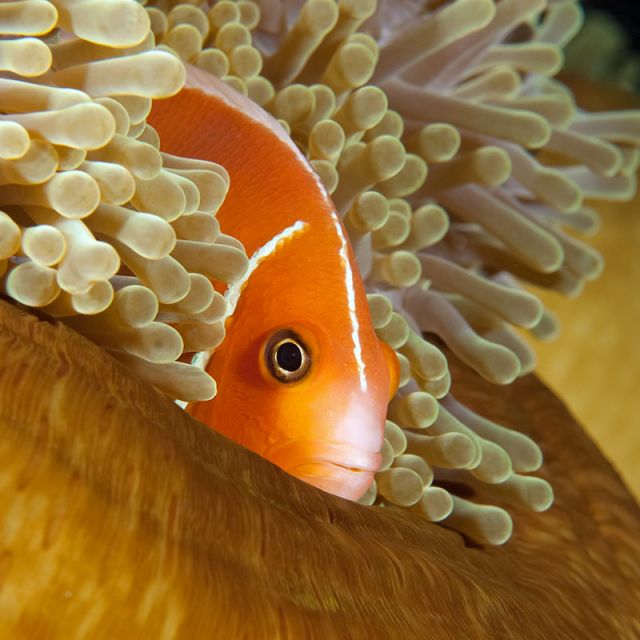
Since 1993 we’ve explored the best dive sites in Fiji including the barrier reefs near Vatu-i-ra in Bligh Water and at Namena, Wakaya, and Gau in the Koro Sea.
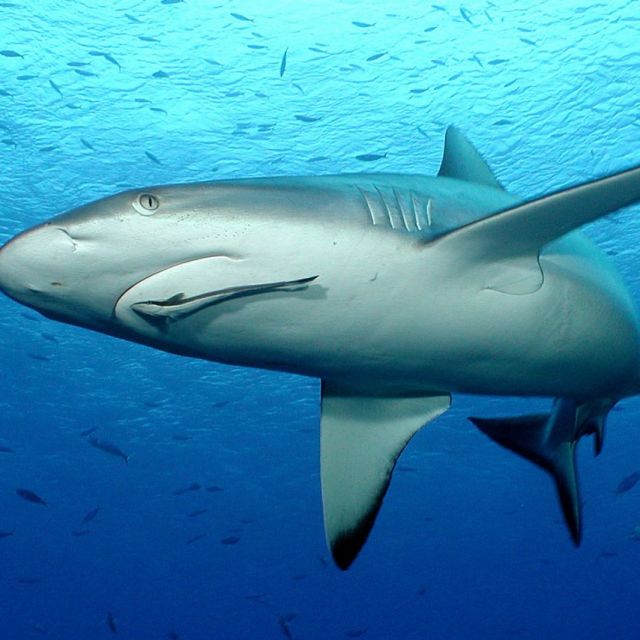
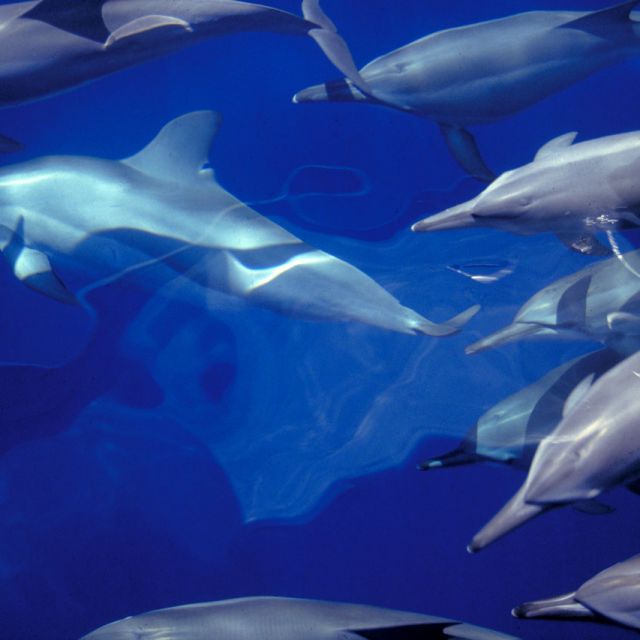
NAI’A reefs have healthy populations of white-tip, hammerhead and grey reef sharks plus schooling trevally, barracuda, manta rays and other pelagics.
Experienced dive travellers know that liveaboard scuba diving aboard NAI’A in Fiji is the simplest, most efficient and affordable way to enjoy world-class diving.
“Lomaiviti reefs are in extremely good condition compared to Indonesia and PNG. Immediate action must be taken to conserve this unique region.”
~ Dr. Michael Marnane, Marine Biologist, Wildlife Conservation Society